Revamp Your Outdoors: Expert Garden Design Solutions Tailored for Your Residence
Revamping outdoor spaces can significantly improve a home's look and functionality. Expert landscape design services deliver tailored approaches that respect regional conditions and individual preferences. With skilled professionals leading the way, homeowners can anticipate a seamless unification of plants, hardscapes, and lighting. Still, understanding how to work in partnership effectively and define a vision remains key. Exploring these aspects can produce a transformative outdoor environment that addresses both needs and aspirations.
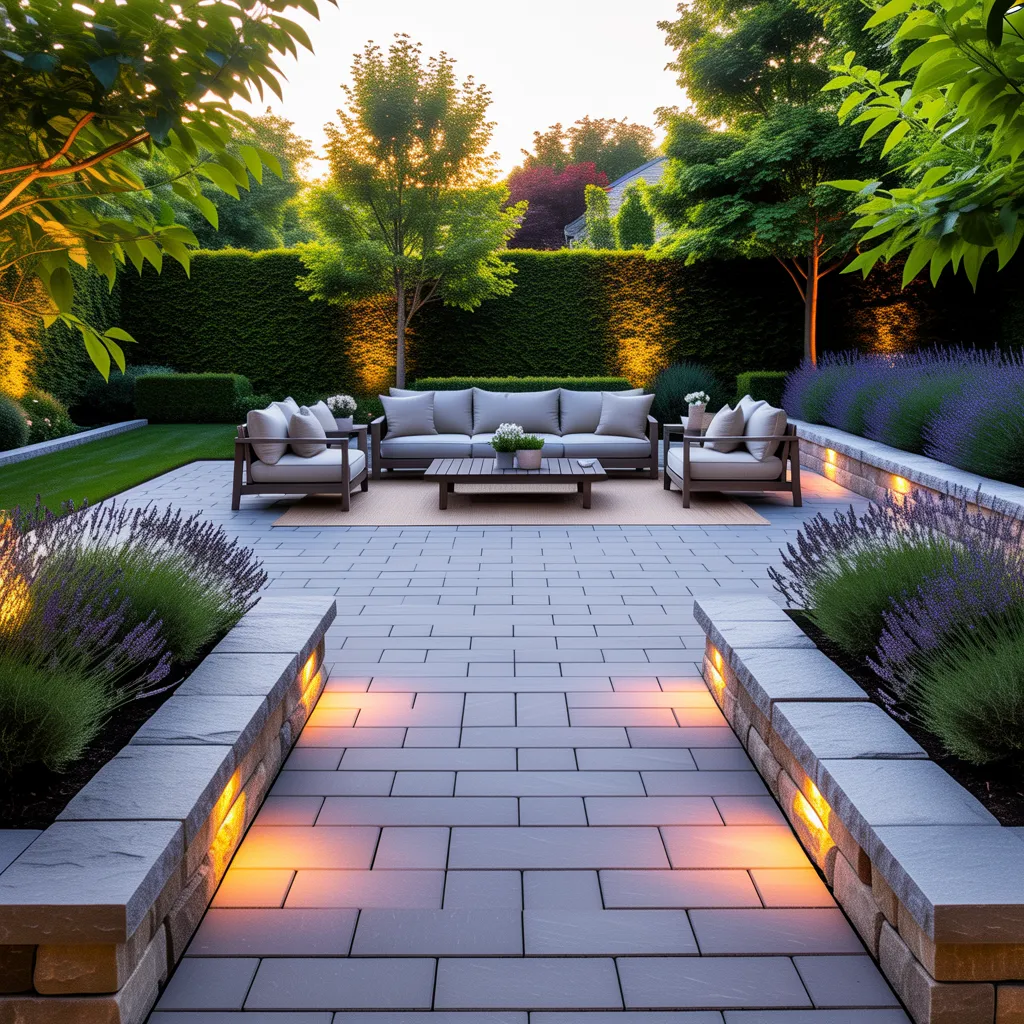
Why Prefer Professional Landscape Design Options?
When examining a renovation of outdoor spaces, many homeowners acknowledge the value of professional landscape design services. These experts contribute a reservoir of understanding and creativity, confirming that the composition aligns with the homeowner's preferences while maximizing effectiveness and aesthetic appeal. Authorities understand the details of local climate, substrate varieties, and plant choices, facilitating them to form green spaces that succeed.
Additionally, design professionals can competently coordinate various elements, such as hardscapes, lighting, and irrigation systems, into a cohesive plan. This comprehensive plan not only improves visual aesthetics but also strengthens property value. Moreover, hiring professionals can free up time and avoid expensive problems. Their experience in maneuvering zoning regulations and obtaining permits adds another layer of convenience for homeowners. Ultimately, choosing professional landscape design services can enhance outdoor spaces into beautiful, functional spaces that represent personal aesthetics and elevate lifestyle quality.
How to Define Your Outside Goals?
How can homeowners clarify their outdoor vision? To start, they should consider their lifestyle and how they plan to utilize the external area. Determining specific needs—whether for hosting guests, gardening, or relaxation—can guide the planning stage. Next, property owners should explore different aesthetics, such as modern, rustic, or tropical, to establish what appeals to their aesthetic preferences.
Creating a concept board or accumulating images from magazines and digital platforms can provide visual inspiration and aid in outlining ideas. Additionally, analyzing the existing landscape elements, such as timber and slopes, allows for a more balanced design.
Setting a financial limit is crucial, as it influences material choices and project scope. Finally, homeowners should reflect on maintenance requirements, guaranteeing the concept is sustainable for their lifestyle. By following this process, clarity emerges, paving the way for a clearly articulated landscaping plan that matches their goals.
Collaborating Effectively With Your Landscape Professional
Effective cooperation with a landscape designer begins with a explicit communication of one's aspirations. It is important to relay financial boundaries openly to guarantee realistic planning. Trusting the designer's proficiency can lead groundbreaking options that align with the client's wants while strengthening the overall landscape.
Establish Your Direction with Precision
What defines a successful collaboration with a landscape designer? Clarity in purpose is essential. Homeowners must articulate their preferences, lifestyle needs, and desired visual style to guarantee the designer understands their expectations. Supplying visual references, such as photos or sketches, can greatly improve understanding. Furthermore, discussing particular elements like color schemes, materials, and plant types helps in refining the concept. Strong dialogue is vital; homeowners should feel comfortable sharing their thoughts and concerns throughout the undertaking. This transparent communication cultivates a robust collaboration, allowing the designer to create personalized designs. In the end, a clearly established direction serves as a guiding foundation, improving the probability of achieving a harmonious outdoor space that aligns with the homeowner's aspirations.
Discuss Your Budget Limits
A clear vision sets the basis for successful landscape design, but grasping budget constraints is just as vital. When collaborating with a landscape designer, communicating financial limitations fosters openness and trust. Clients need to provide a realistic budget upfront, which enables designers to propose solutions in line with their monetary objectives. This open dialogue helps the designer focus on components, ensuring that key components are included without exceeding the budget. Moreover, talking about budget constraints can result in innovative options, such as selecting more economical materials or rescheduling project timelines. Ultimately, a detailed budget empowers both parties to collaborate efficiently, yielding a landscape that meets aesthetic expectations and remains financially feasible.
Trust Their Expertise Fully
Depending on a landscape designer's mastery is indispensable for realizing a successful outdoor project. Their substantial background in greenery, components, and design fundamentals empowers them to develop unified and practical spaces. Clients ought to engage in the relationship with a receptive stance, treasuring the designer's counsel while also communicating their preferences. Direct communication is paramount; sharing viewpoints and commentary strengthens a mutually beneficial partnership. Designers frequently have access to alternatives and resources that property owners may not think of, boosting the complete vision. By valuing the designer's expert perspective, clients can verify that their particular requirements are fulfilled while taking advantage of ground-breaking design approaches. Ultimately, this reliance yields an outdoor place that mirrors both individual character and expert guidance.
Finding the Best Garden Design Approach for Your Home
How can property owners determine the ideal landscape design approach that enhances their property? First, they should evaluate the architectural style of their home. A modern house often pairs well with minimalist landscaping, while a traditional home may benefit from classic garden elements. Next, homeowners should consider their personal preferences and lifestyle. For instance, those who Luxury Landscape Design enjoy entertaining might favor open spaces with seating areas, while nature enthusiasts may lean towards native plants and wildlife-friendly designs.
Furthermore, local climate and soil conditions are essential factors in determining suitable plants and materials. Homeowners can also explore various design styles, such as Mediterranean, Japanese Zen, or cottage gardens, to discover ideas. In conclusion, consulting with a landscape design professional can offer beneficial guidance tailored to the specific property, ensuring that the selected aesthetic complements both the surroundings and the property owner's goals.
How to Plan financially for Your Landscape Transformation?
Planning ahead for a landscape makeover commences by determining needs, as this supports homeowners in focusing on what features are essential. Secondly, calculating construction expenses is necessary for generating a sound financial plan. By managing these key aspects, people can promise a excellent and fulfilling transformation of their yard environment.
Identify Your Main Objectives
When beginning on a landscape renovation, recognizing one's goals is essential for effective budgeting. Homeowners should first pinpoint their main goals, whether it's designing an outdoor entertainment space, boosting curb appeal, or enhancing privacy. This clarity helps in allocating resources effectively. Evaluating the current landscape and pinpointing which elements need critical focus can also streamline the process. Additionally, it is important to account for long-term maintenance and sustainability; committing funds to quality materials may reduce future costs. Setting a realistic budget that captures these priorities ensures that the project aligns with both visual preferences and budget limitations. By prioritizing needs, homeowners can achieve a cohesive and gratifying landscape transformation without overspending.
Assess Material Costs
Estimating project expenses is a essential step in planning a effective landscape makeover. Homeowners should begin by listing all desired elements, such as plants, hardscapes, and lighting. Investigating local vendors can offer insights into costs and availability. It's vital to consider additional expenses, including soil, mulch, and tools, which can significantly impact the overall budget. Furthermore, adding a contingency fund of 10-20% allows for unexpected costs that may arise during the project. By thoroughly computing these costs, homeowners can guarantee they remain within their financial limits while achieving their desired outdoor space. Consulting with landscape professionals can also offer valuable guidance in making informed material choices that align with budget constraints.
Essential Upkeep Tips for Your New Landscape Design
Proper care is essential for any new landscape design to thrive and keep its beauty. Regular water application is critical, especially during the initial growth phase; establishing root systems requires regular moisture. Mulching around plants helps lock in soil moisture, suppress weeds, and stabilize temperature.
Seasonal pruning operations should be done to promote strong development and cut away any decayed or diseased branches. Fertilization, adjusted for the individual necessities of plants, increases nutrient supply and stimulates vibrant blooms.
Unwanted plant management is required; regular checking and elimination prevent resource competition. Additionally, observing for infestations ensures quick intervention, safeguarding plant health.
Seasonal clean-ups, such as leaf removal and debris clearing, preserve aesthetics and avoid mold growth. Finally, soil health should be assessed periodically, with modifications made as needed to guarantee ideal growing conditions. By following these upkeep guidelines, homeowners can preserve the integrity and charm of their outdoor landscaping.

Regularly Asked Questions
What Elements Are Most Suitable for Green Landscaping?
Reused materials, native plants, permeable pavers, and organic mulches are ideal for eco-friendly landscaping. These options enhance wildlife diversity, reduce water demand, and minimize waste materials, creating eco-conscious spaces that thrive with minimal maintenance.
What is the Timeframe of a Usual Landscape Project?
A common landscape project might take anywhere from a few days to several weeks, depending on the assignment's difficulty, size, and the distinct components being incorporated, such as plants, hardscapes, or irrigation systems.
Will Yard Design Raise My Property Value?
Yes, yard design can substantially raise property value. Strategically designed outdoor areas enhance curb appeal, improve functionality, and draw interested buyers, ultimately leading to higher market prices and a better return on investment for homeowners.
What Plants Are the Most Preferred for Local Climates?
The most favored plants for local climates usually showcase native species, low-water options, and perennials. These picks boost species diversity, need less care, and thrive in their specific surroundings, making them perfect for responsible outdoor design.
What Steps Should I Follow to Ready My Yard Before Outdoor Design Begins?
To set up the yard before yard landscaping, one should clean up debris, assess soil quality, remove weeds, and outline intended features. Ensuring proper drainage and assessing space for plants and hardscapes will allow for a more efficient installation.